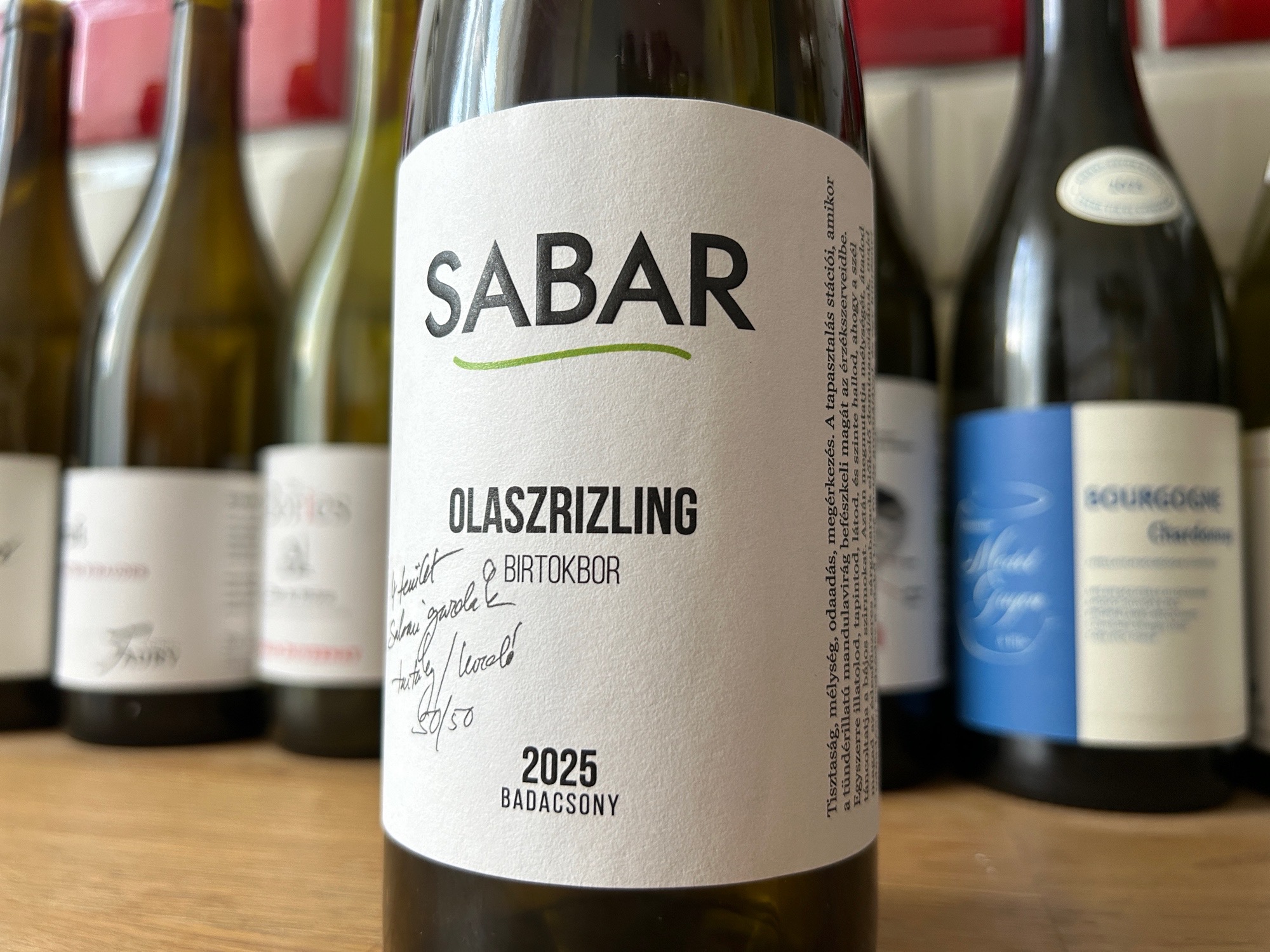
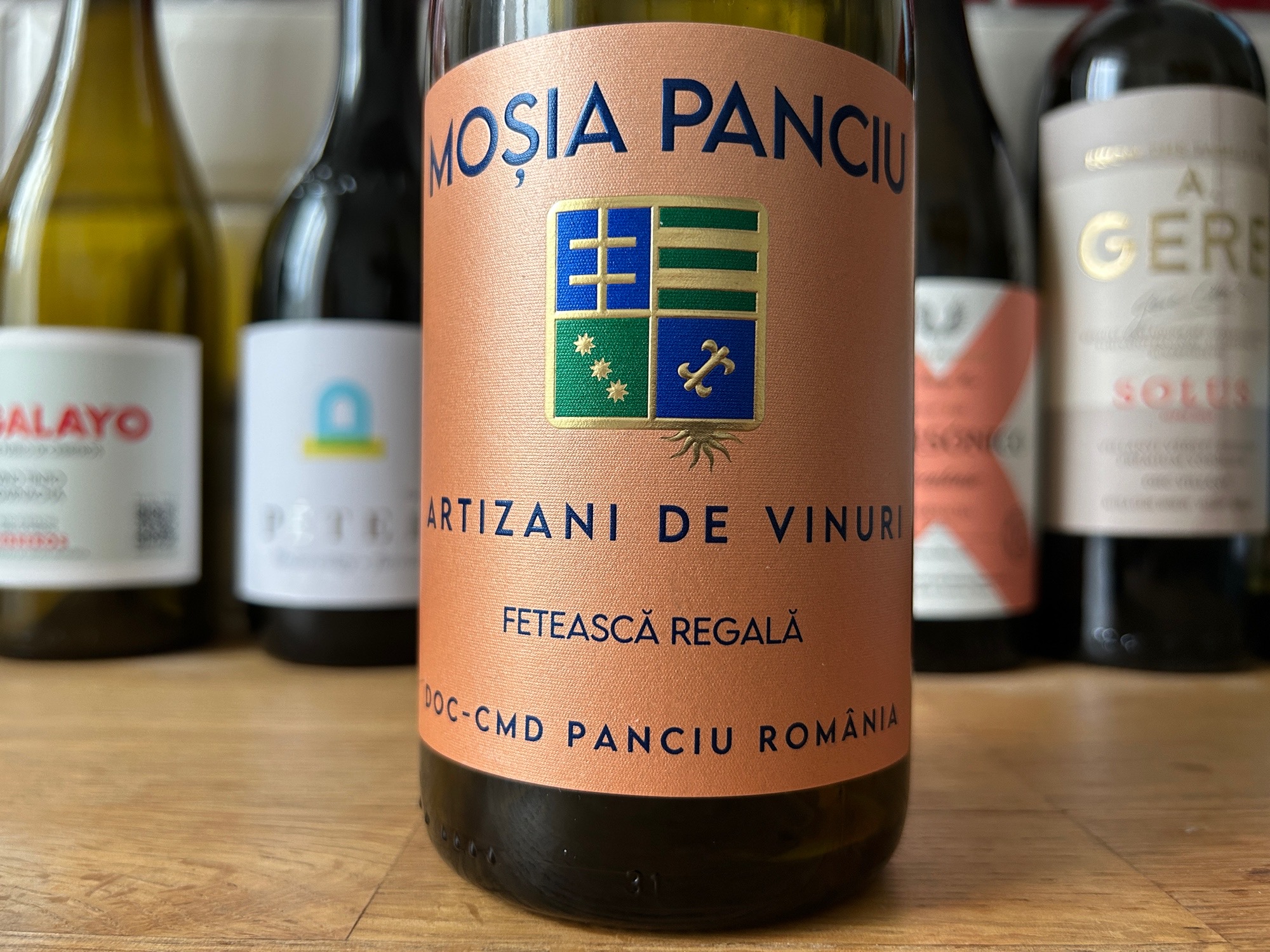
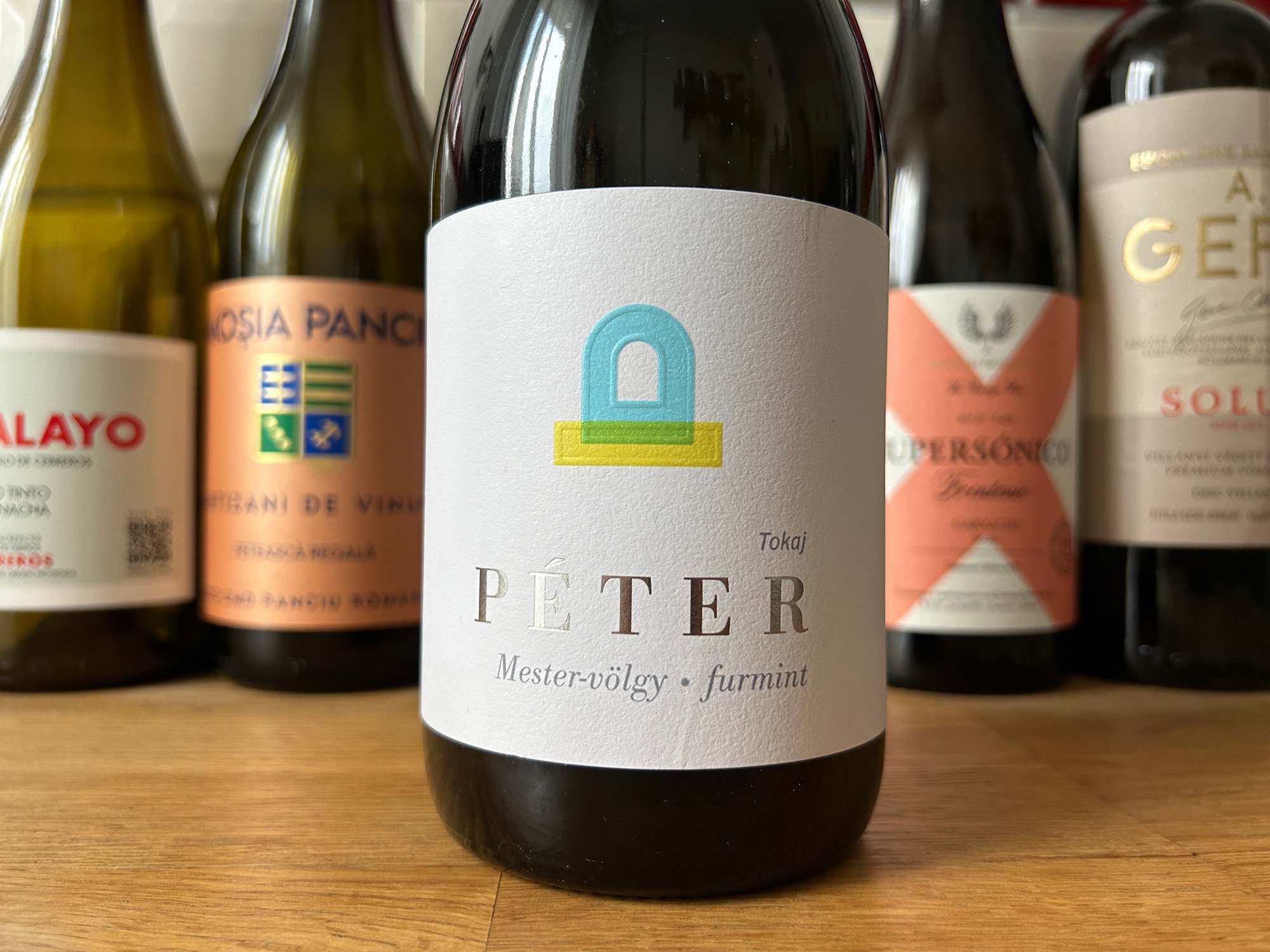
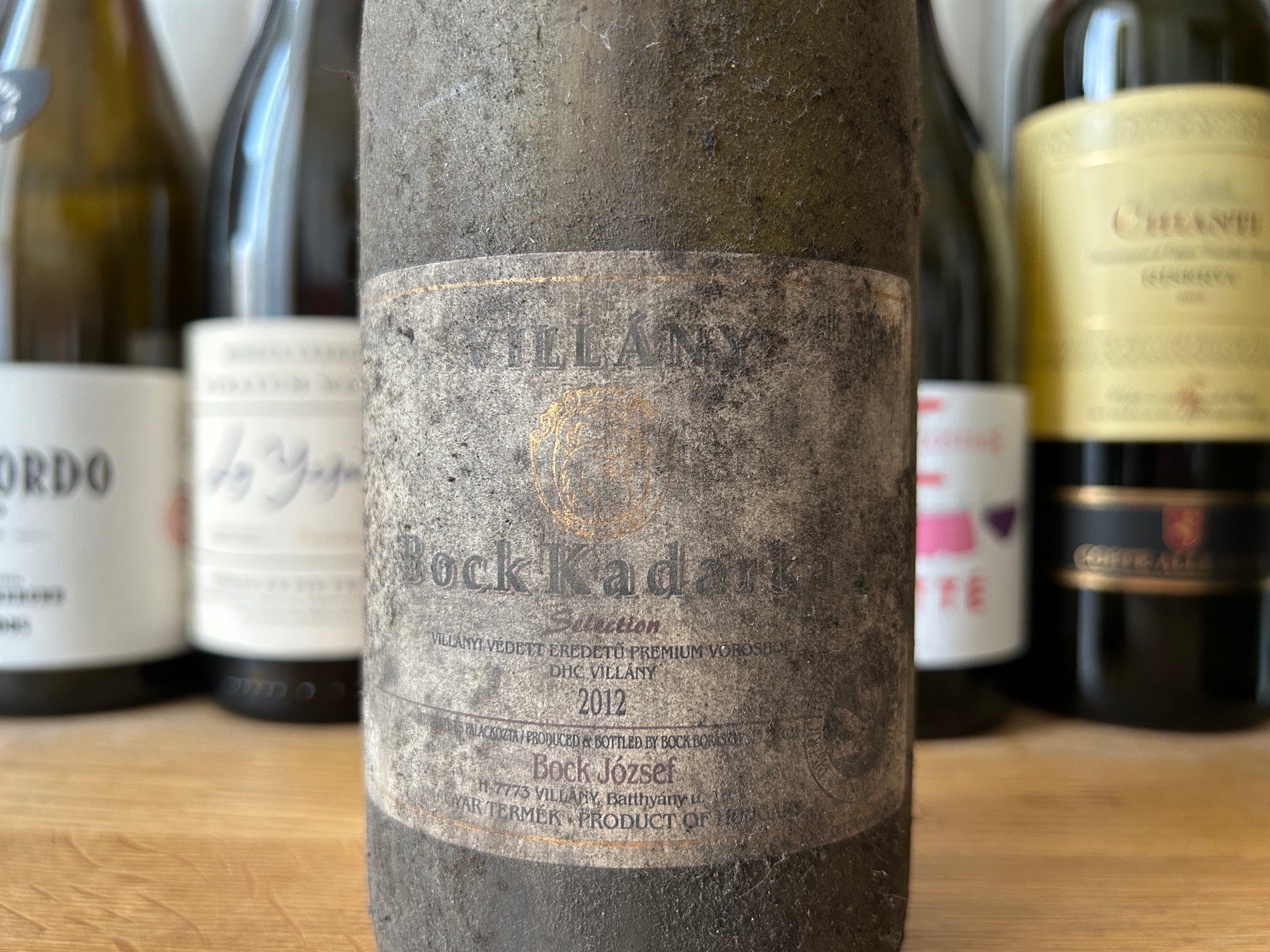
It’s rare, it’s special – this is tihanyi kék, one of a bunch of almost extinct Hungarian varieties. I’m happy to review the 2020 here, after the 2018 and 2019. Even though I tasted this variety quite a few times, it blew me away again – it is that distinct.
hungarian
Top bikavér from Szekszárd: Sebestyén Iván 2020
If you ask me, the most dynamic red wine region of Hungary at the moment is Szekszárd. Ahead of others, they moved early from oaky, heavy reds made mostly from Bordeaux varieties to the indigenous kadarka and kékfrankos – and let’s add bikavér to the list, which is based on the former two. Continue reading
Tüske Pince Harmados Kadarka 2023
The revival of the indigenous variety kadarka is one of the most exciting topics of the Hungarian wine scene at the moment. We now have some examples that are more serious than those made in the past, but let’s review a classical one, the Harmados from Tüske Pince. The 2023 vintage is every bit the lighter bodied, pale red you can expect from a kadarka.
Hungarian flagship reds IV.: Gere Kopar 2020
The last wine from the blindtasting covered by previous posts is probably Hungary’s most famous big red: the Kopar from Gere. It was first made in 1997 if not even earlier, so there’s history to it; it’s made to last and I can confirm that it’s able to age for 15 years or more. Personally I often found it a bit too sweet in the past, but the current release is just great.
Hungarian flagship reds III.: Heimann Barbár 2019
Hungarian flagship reds II.: Sauska Cuvée 7 Siklós, 2019
Next in the big red lineup I mentioned last time was the Sauska 7 Siklós, a Bordeaux blend from Villány. Compared to the Merengő, it comes from a warmer region and there is no kékfrankos included in it, yet the wine is not that dissimilar.
High-end bull’s blood: St. Andrea Merengő 2021
With a bunch of friends I took a look at a few Hungarian flagship reds in December. These all have some history, in some cases stretching over two decades. They are very well-known (in Hungary) and widely distributed; they are partly or entirely blends of Bordeaux varieties (not surprisingly, as they were created in the late 90s or in the 2000s, inspired by international cult reds).
Standout kadarka: Bock BV 2020
Barta Anna Kadarka 2021
The Mátra wine region is the neighbour of the more famous Eger in Northern Hungary and it’s somewhat similar in soils and climate. On the other hand it’s rather known for white wines, not reds, although long time ago it was mostly planted with kadarka, which is hard to find there these days. I know only two producers who bottle that variety, one of them is Anna Barta in Nagygombos.Unicorn Hungarian white – Bakonyi Hárslevelű 2013
Unless you visit a specialist local shop in the region, I bet you won’t easily find a hárslevelű from Villány anywhere, even if you leave in Budapest. But in the old days it was commonly planted in the region. And just look at this 12 year-old example (it was lurking in the corner of my wine fridge), there is potential for the variety for sure.